



How to Choose Aluminum Profiles for Furniture: Complete Buying Guide for 2026
Aluminum profiles are widely used in modern furniture manufacturing due to their durability, lightweight structure, and modern appearance. For wholesalers, contractors, and eCommerce sellers, choosing the right aluminum profile is essential for product quality and market competitiveness.
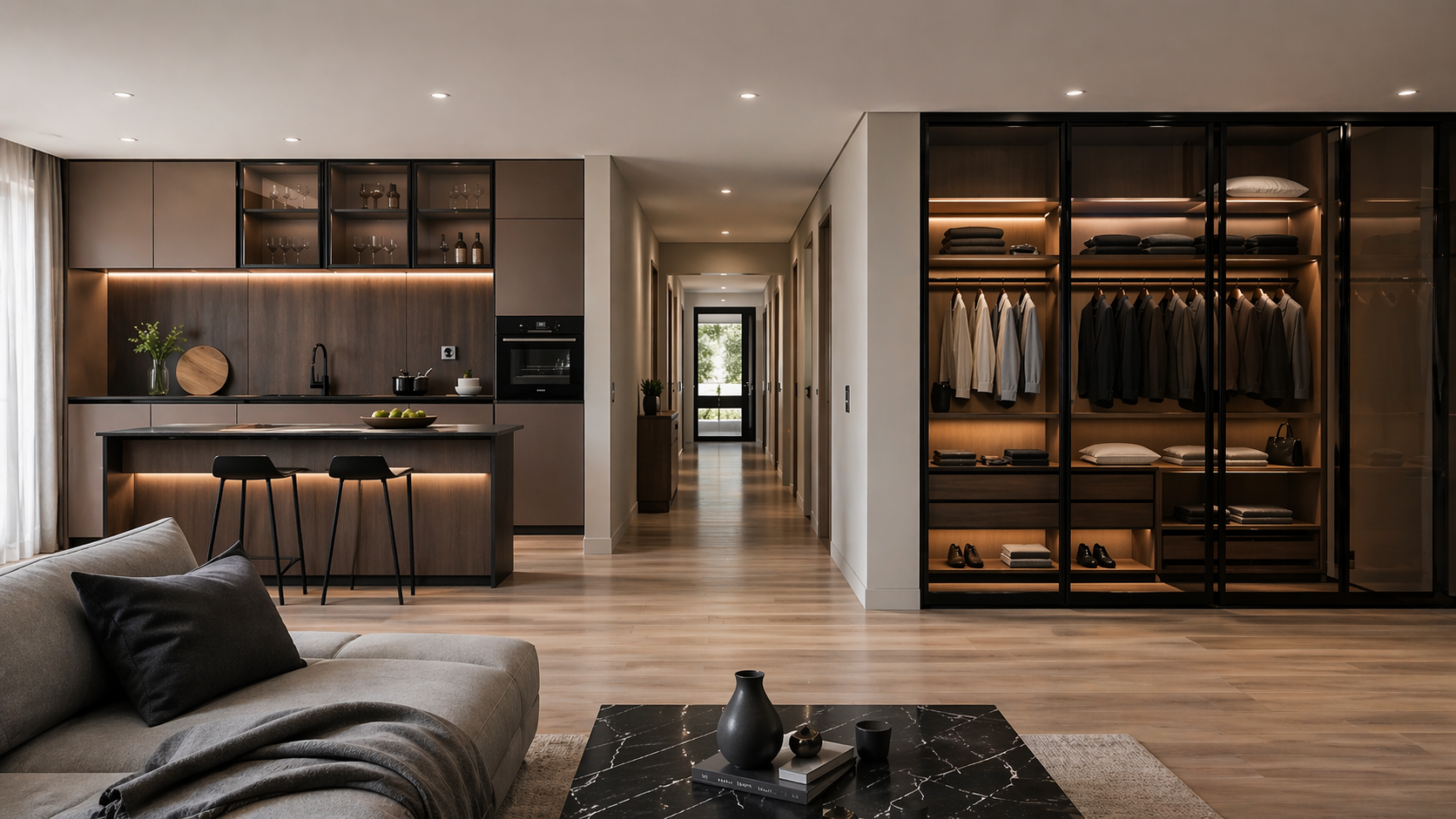
Why Aluminum Profiles Are Popular in Furniture?
- Lightweight but strong
- Corrosion resistant
- Modern and stylish appearance
- Eco-friendly and recyclable
- Flexible for customization
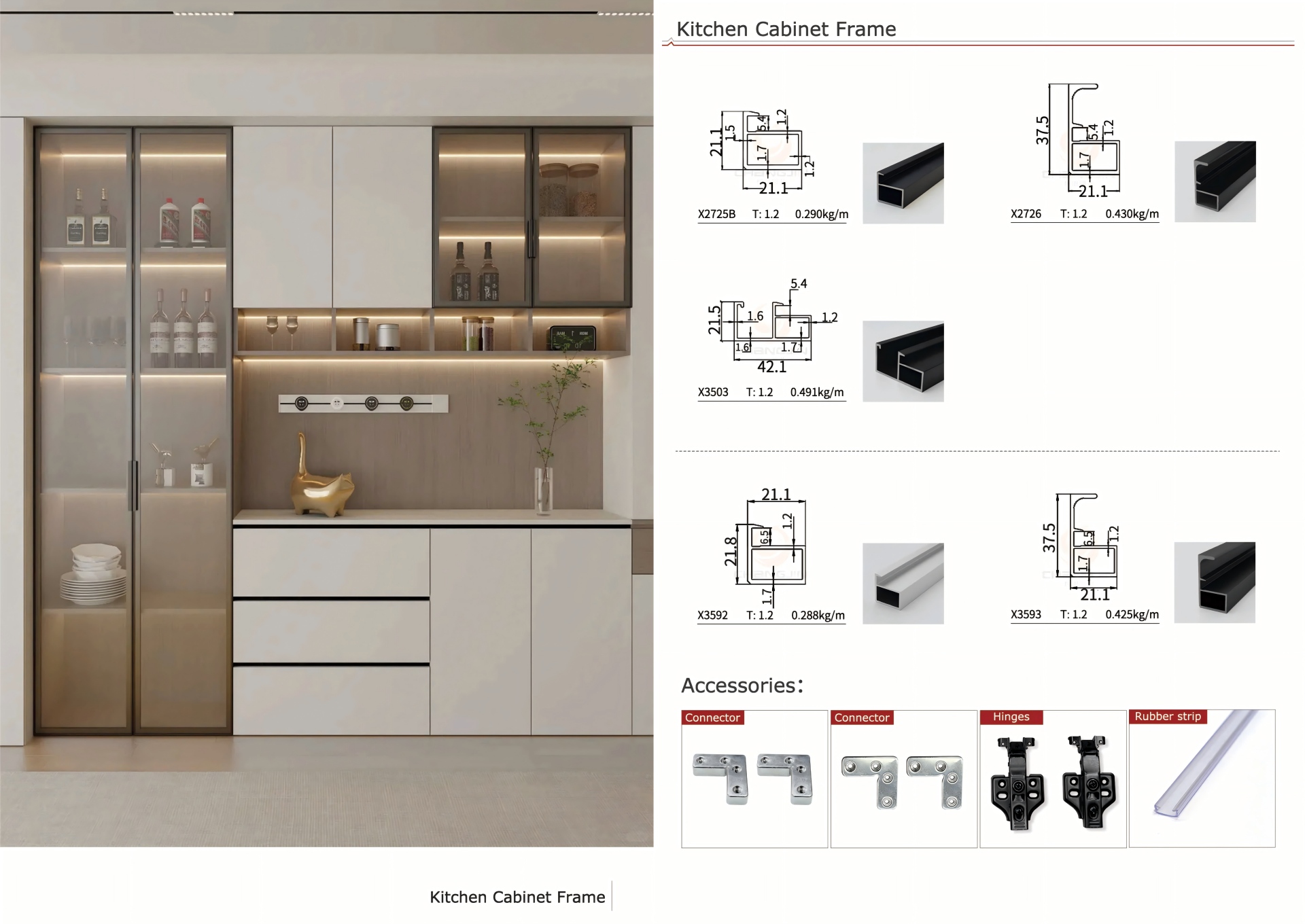
Key Factors When Choosing Aluminum Profiles
1. Application
Different furniture requires different aluminum profiles:
- Wardrobe doors
- Cabinet frames
- Display cabinets
- Office furniture
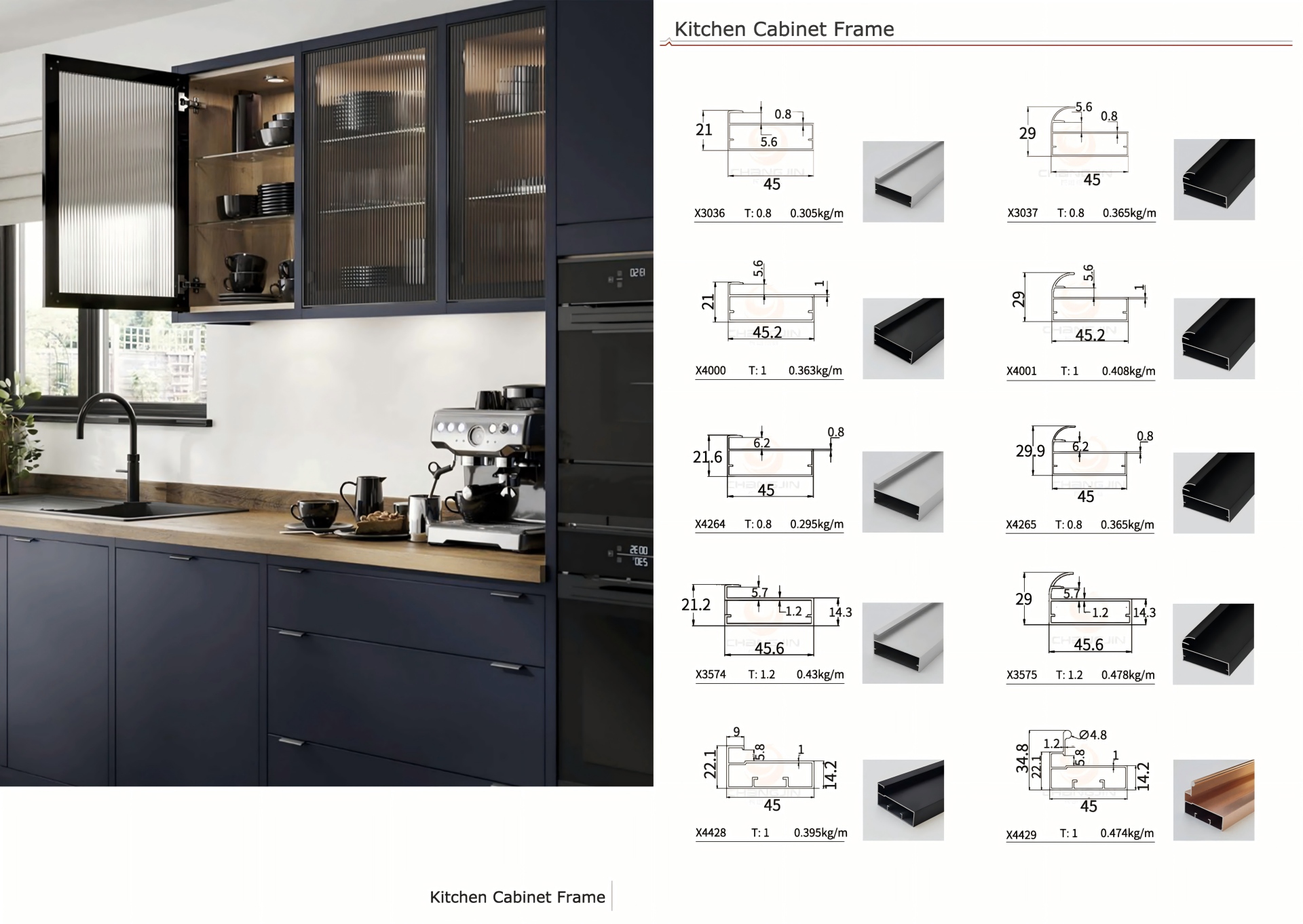
2. Material Grade
6063-T5 aluminum alloy is the most common for furniture profiles due to its good surface finish and strength.
3. Surface Treatment
- Anodized finish
- Powder coating
- Wood grain finish
- Brushed aluminum
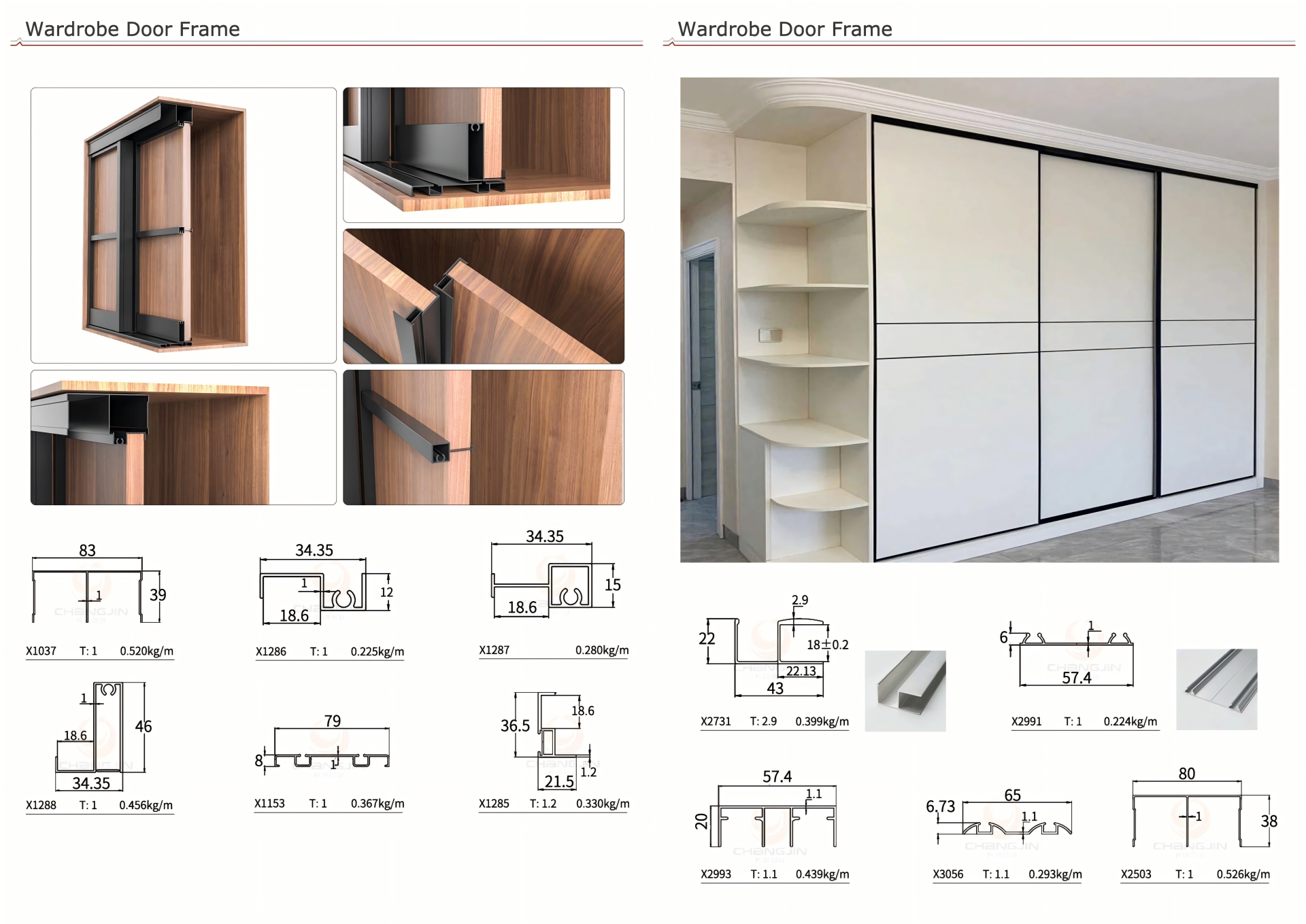
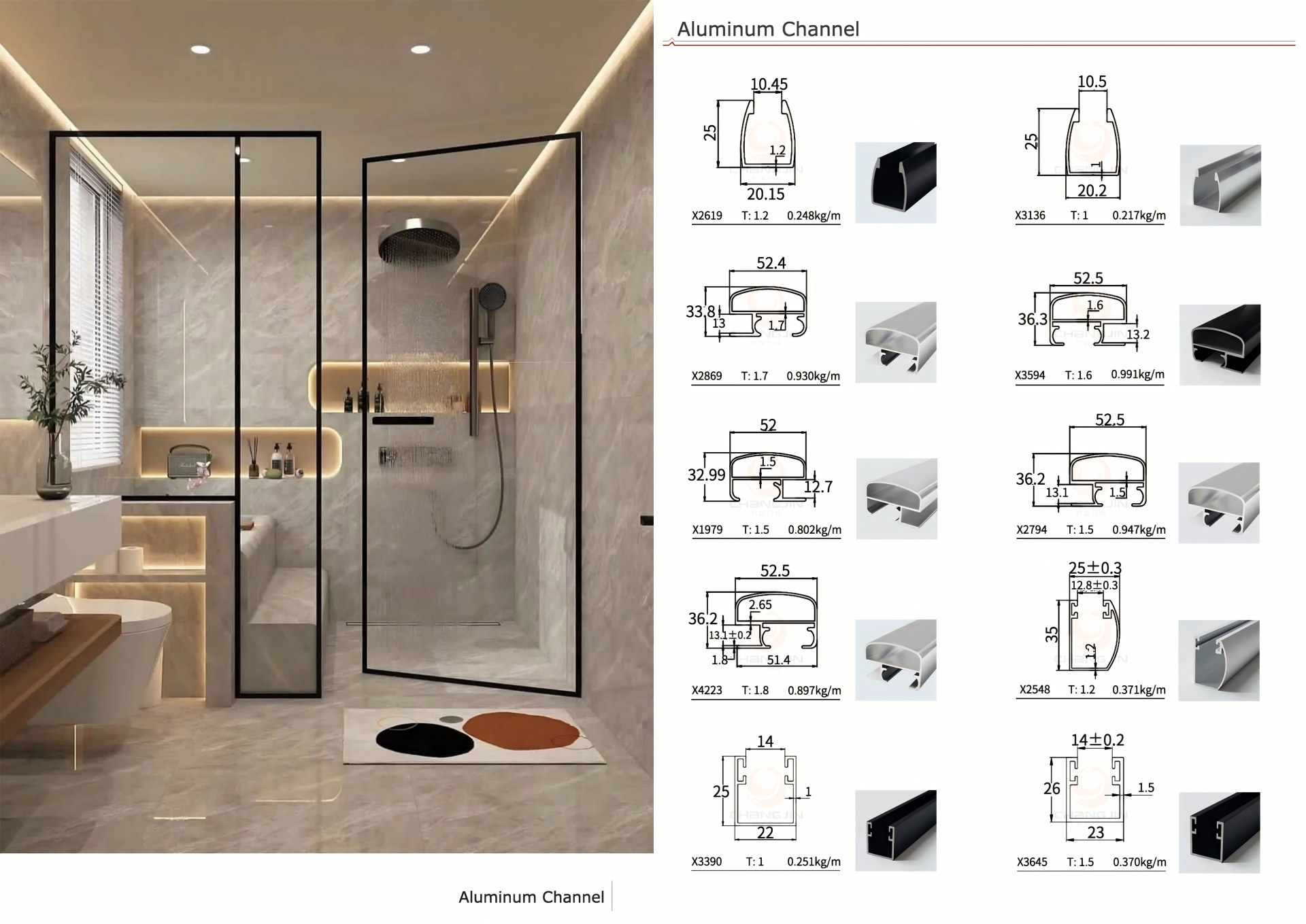
4. Thickness
Common thickness ranges from 1.0mm to 1.5mm for most furniture applications.
5. Accessories Compatibility
Ensure compatibility with glass, hinges, and sliding systems.
6. Customization
Custom shapes, colors, and machining services are important for bulk buyers.
Popular Aluminum Profiles in 2026
- Cabinet aluminum frame profiles
- Sliding wardrobe door profiles
- Handle integrated profiles
- LED aluminum channels
- Slim frame aluminum systems
Common Mistakes
- Choosing low-quality material
- Ignoring surface treatment
- Not matching accessories
- Focusing only on price
How to Choose a Reliable Supplier
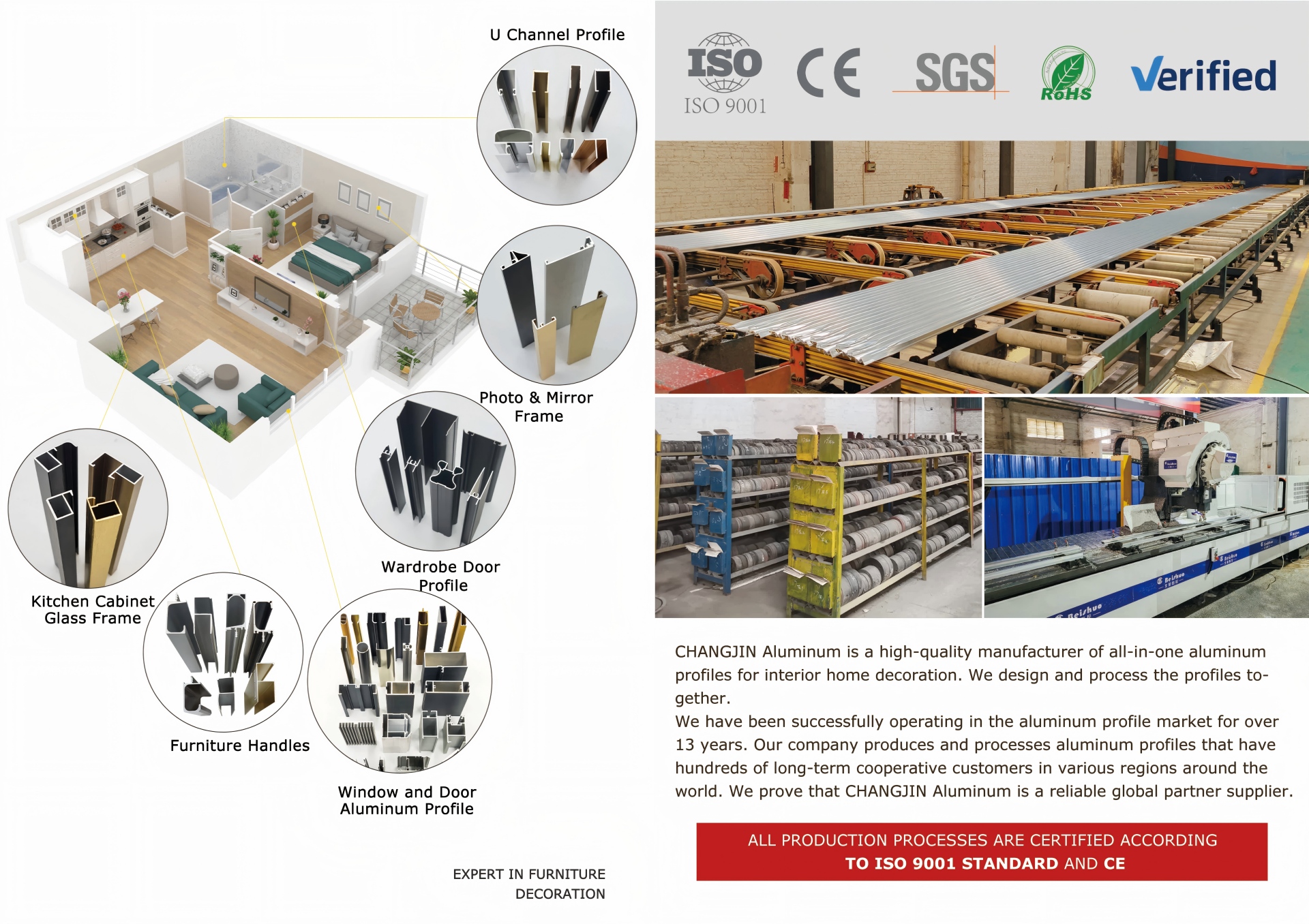
- Check certifications
- Evaluate factory capacity
- Request samples
- Confirm OEM support
Conclusion
Choosing the right aluminum profile requires balancing quality, cost, and application. A reliable supplier will help you gain long-term competitive advantages.
FAQ
What is the best aluminum alloy for furniture?
6063-T5 is the most widely used.
What thickness is recommended?
1.0mm to 1.5mm is standard.
Can aluminum profiles be customized?
Yes, including shape, color, and processing.

 8613602979735
 mail
mail